October 5, 2026
Transmission problems can quickly turn an ordinary drive into a stressful experience. Slipping gears, unusual noises, delayed engagement, fluid leaks, or difficulty shifting can all indicate that something needs attention. When these symptoms appear, vehicle owners may hear different recommendations, including repairing a specific component or rebuilding the transmission.
Understanding the difference between these approaches can make the decision easier to navigate. While both options are intended to restore proper operation, they address transmission problems at different levels. The appropriate choice depends on the condition of the transmission, the source of the problem, the vehicle's overall condition, and the expected value of the repair.
Identify the Transmission Problem
The first step toward choosing between repair and rebuilding is determining what has actually gone wrong. A transmission can develop a relatively isolated problem that affects a specific component, or it can experience broader wear that impacts multiple internal parts. Symptoms alone do not always reveal the full extent of the damage.
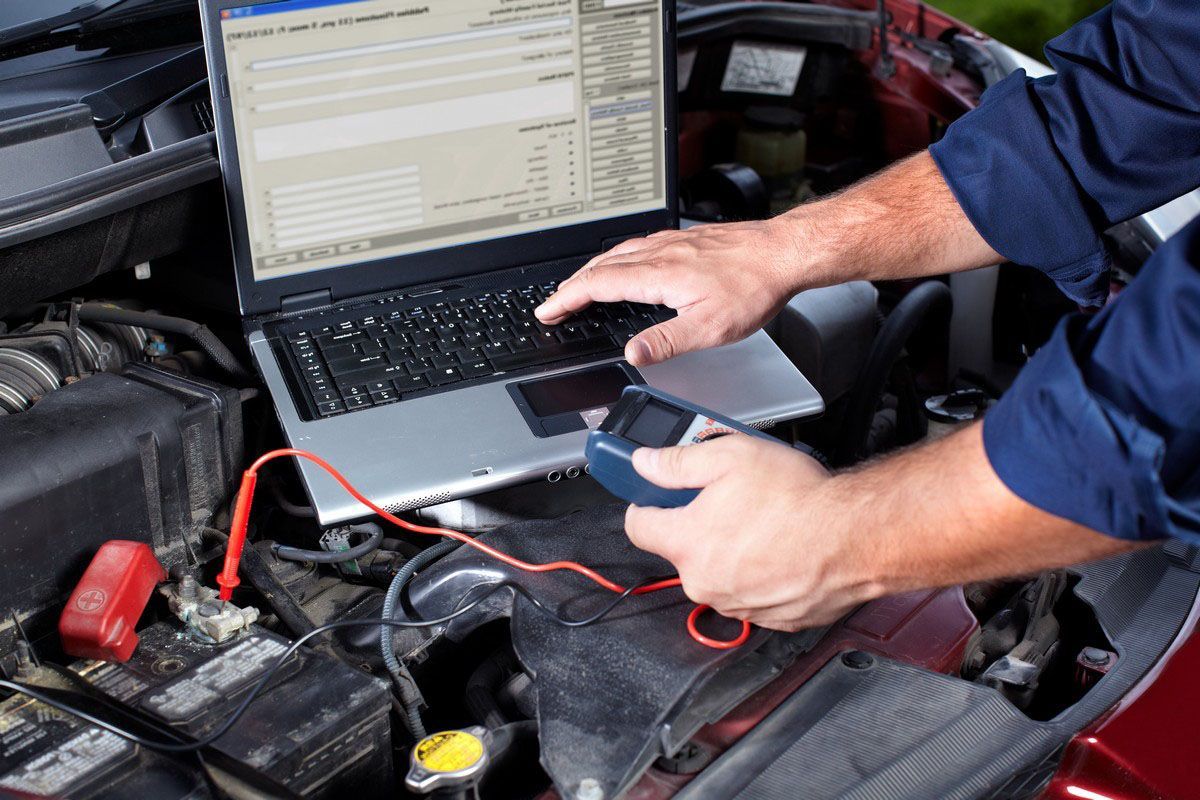
A professional inspection can help identify the source of shifting problems, unusual sounds, fluid concerns, or other changes in vehicle performance. Diagnostic testing and a physical evaluation can provide valuable information before major work begins.
Car transmission service should begin with an accurate diagnosis rather than immediately assuming the entire transmission needs to be rebuilt. A targeted repair may be appropriate when the underlying problem is limited and the rest of the transmission remains in suitable condition.
Getting a clear explanation of the problem can also help vehicle owners understand their options. Asking what failed, why it failed, and whether other components show signs of wear provides useful context before approving extensive repairs.
Consider A Targeted Repair
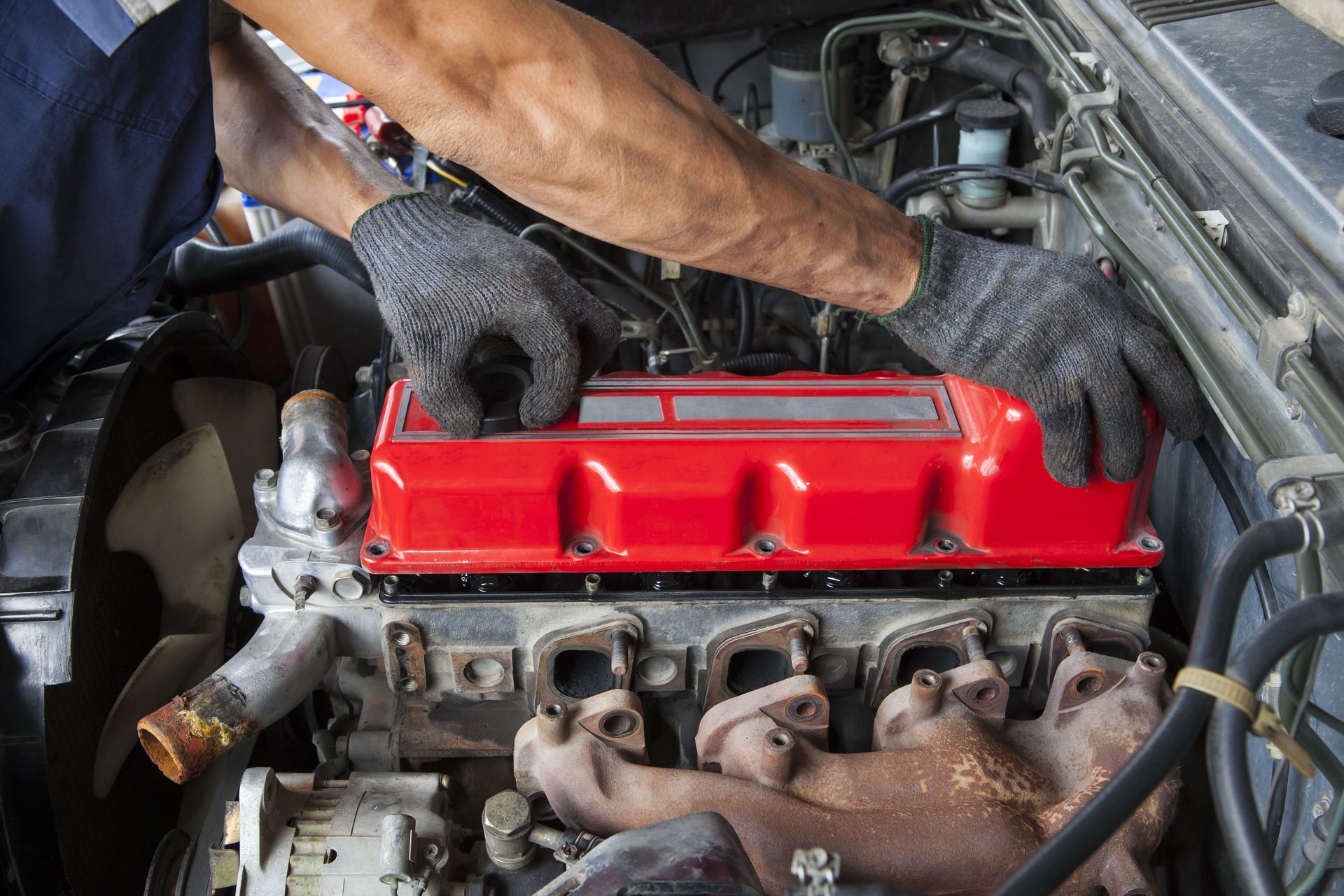
A transmission repair generally focuses on correcting a specific problem rather than comprehensively rebuilding the entire unit. Depending on the situation, this could involve replacing a damaged component, addressing a leak, repairing an electrical issue, or correcting another identifiable fault.
This approach may make sense when the transmission is generally in good condition and the problem can be isolated. Addressing the affected component can restore normal operation without requiring the additional work associated with a complete rebuild.
Car transmission service can include many different types of repairs, so the exact scope depends on the vehicle and the issue being diagnosed. A professional technician can explain whether the recommended work addresses the underlying cause or simply manages a symptom.
Targeted repairs can also help limit unnecessary work. If only a specific component has failed, replacing unrelated parts may not provide additional value. A careful diagnosis allows the repair to remain focused on what the vehicle actually needs.
Evaluate a Transmission Rebuild
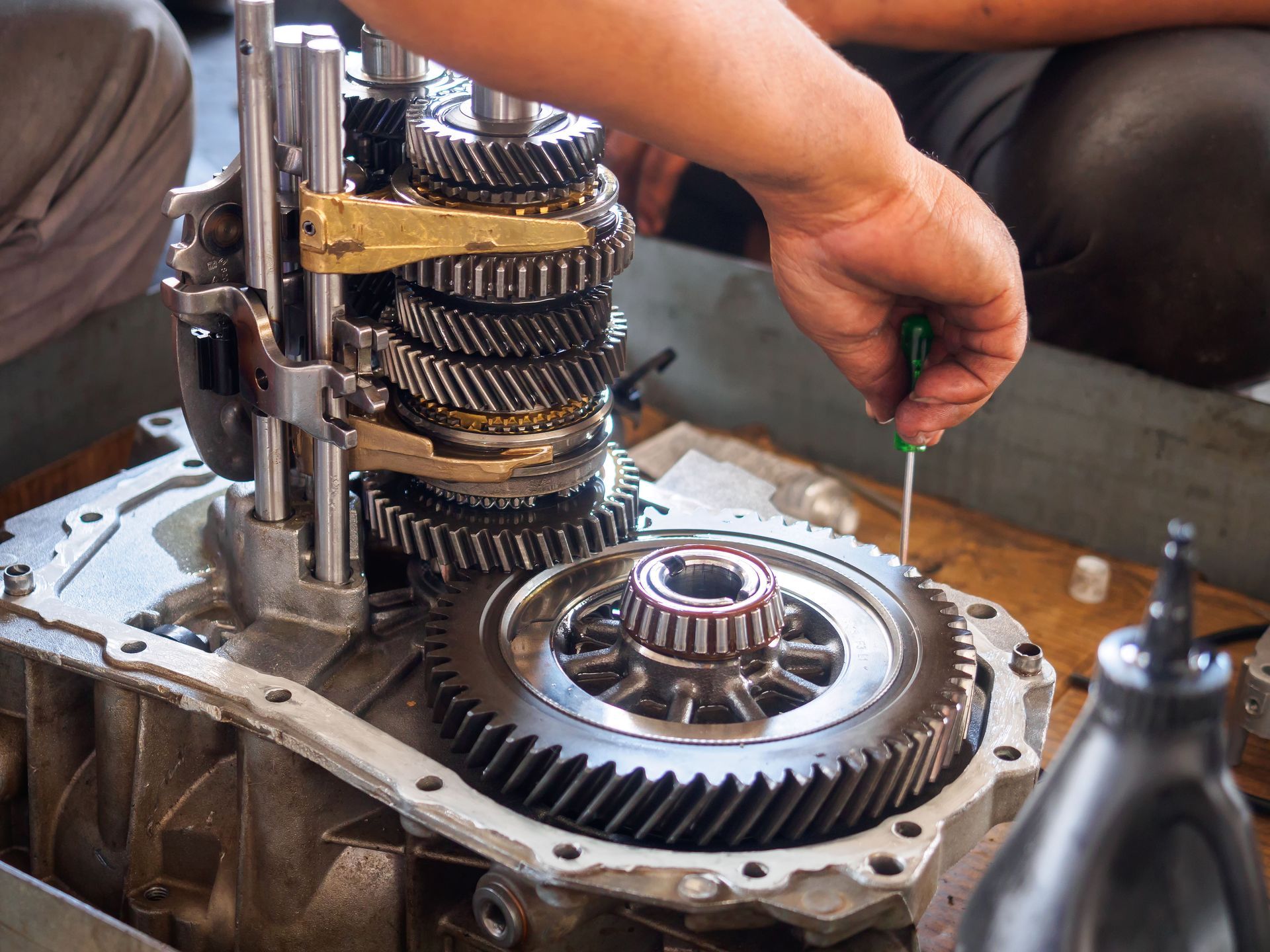
A rebuild takes a more comprehensive approach. Rather than addressing only the immediately failed component, a technician disassembles the transmission and evaluates its internal parts. Worn or damaged components can then be replaced or repaired as appropriate before the unit is reassembled.
This approach may be considered when the transmission has experienced significant internal wear or when multiple components are showing problems. Rebuilding allows the technician to inspect parts that may not be accessible during a more limited repair.
Car transmission service involving a rebuild can require more labor and planning than a targeted repair. However, the broader process can address multiple sources of internal wear at once. This may be useful when repairing one component would leave other significantly worn parts in place.
The condition of the transmission ultimately determines whether rebuilding is appropriate. A technician should explain what was found during inspection and why a rebuild is being recommended rather than presenting it as an automatic solution to every transmission problem.
Compare Repair Costs
Cost is naturally an important consideration when deciding how to address transmission problems. A targeted repair may require less labor and fewer replacement components than a comprehensive rebuild, but the less expensive option is not necessarily the most appropriate one for every vehicle.
According to AutoCarsHub, when transmission repair or replacement costs rise above 10% of a vehicle's current market value, the investment may warrant reconsideration. This provides one financial perspective, but repair decisions should also account for the vehicle's condition, reliability, maintenance history, and expected future needs.
Car transmission service should be evaluated based on the value it provides rather than the initial price alone. A lower-cost repair that fails again because other internal components are severely worn could result in additional expenses later.
Conversely, a major rebuild may not be practical for a vehicle with extensive age-related problems elsewhere. Looking at the transmission alongside the vehicle as a whole can provide a more realistic picture of whether significant repair work makes sense.
Assess the Vehicle Condition
The transmission does not operate independently from the rest of the vehicle. Engine condition, mileage, suspension, brakes, electrical systems, body condition, and maintenance history can all influence the broader decision about how much to invest in a vehicle.
A transmission that is otherwise healthy may justify more extensive attention, particularly when the vehicle has been maintained consistently. If the rest of the vehicle is also experiencing significant problems, however, owners may want to consider how a major transmission expense fits into their overall plans for the car.
Car transmission service should therefore involve more than looking at the transmission alone. A trustworthy technician can identify related concerns and help the owner understand whether the proposed work fits the vehicle's current condition.
This does not mean a technician should make the decision for the vehicle owner. Instead, the goal is to provide useful information. Understanding the transmission's condition, the expected repair outcome, and the vehicle's other needs allows the owner to make a more informed choice.
Ask the Right Questions
Before approving transmission work, vehicle owners should feel comfortable asking questions about the diagnosis and recommended solution. Ask which components are damaged, whether the problem is isolated, and what could happen if the repair is delayed.
It is also useful to ask whether the recommended work includes a warranty or other coverage. Understanding what is included in the service can make it easier to compare options and avoid unexpected expenses.
Car transmission service can involve significant decisions, so clear communication is especially important. A technician should be able to explain the difference between repairing the existing problem and rebuilding the transmission in terms that make sense to the vehicle owner.
Owners can also ask about expected outcomes. No repair can guarantee that a vehicle will never experience another problem, but understanding what the recommended work is designed to accomplish can provide realistic expectations about the vehicle's future operation.
Choosing between a transmission repair and rebuild ultimately depends on the specific problem and the overall condition of the vehicle. A targeted repair may be appropriate when damage is limited, while a rebuild may make more sense when internal wear affects multiple components. Cost, vehicle condition, reliability, and long-term plans all deserve consideration.
The most important step is obtaining an accurate diagnosis before deciding how to proceed. Avoid choosing a repair based solely on price or assuming that a complete rebuild is necessary without understanding what has failed.
When shifting problems or transmission symptoms appear, don't wait for a minor issue to become a major breakdown. Contact Best Transmission and Auto Repair today for a thorough evaluation and the right transmission solution for your vehicle.