October 6, 2026
Transmission problems can affect how a vehicle accelerates, shifts, and responds on the road. When repairs become necessary, the type of transmission in the vehicle plays an important role in determining what a technician needs to inspect, repair, replace, or rebuild. Although automatic and manual systems serve the same basic purpose of transferring engine power to the wheels, their internal components and operating methods create different repair considerations.
The difference between these transmission types is also reflected in how common they are on American roads. According to HowStuffWorks, manual transmissions account for only about 3% of cars sold in the U.S. This means automatic transmission service is more frequently needed, but manual transmission repairs remain an important specialty for vehicles equipped with a clutch-operated gearbox.
Understanding the Differences Between Automatic and Manual Transmission Repair
Identifying Automatic Transmission Components
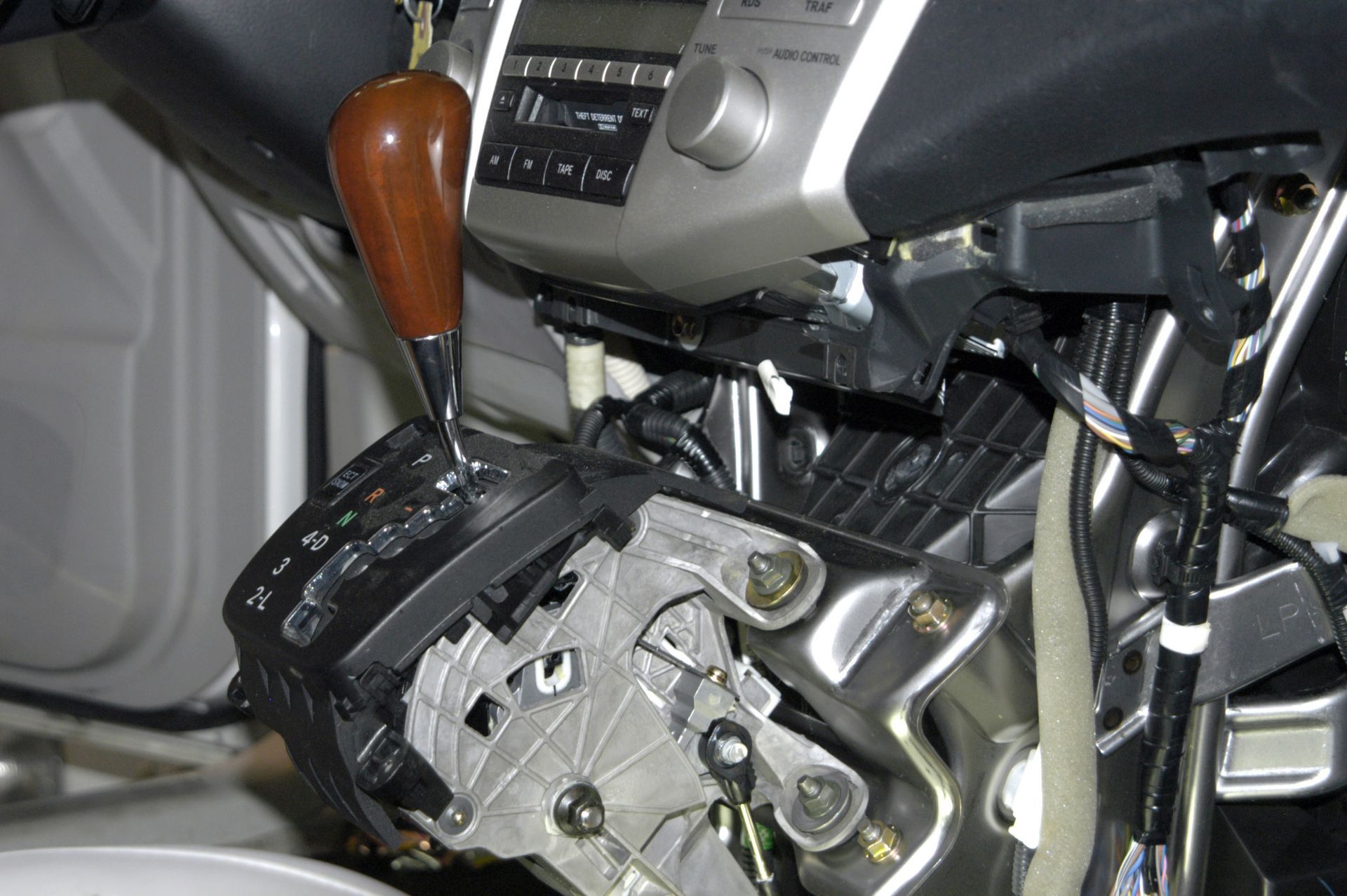
Automatic transmissions use a combination of components that allows the vehicle to change gears without requiring the driver to operate a clutch pedal. Depending on the vehicle, these components can include planetary gear sets, valve bodies, solenoids, clutches, bands, transmission fluid passages, and a torque converter. Each component has a specific function, and problems in one area can affect the operation of the entire system.
Because automatic transmissions rely on multiple interconnected components, diagnosing a problem requires more than identifying an obvious symptom. Delayed engagement, harsh shifting, slipping, unusual noises, fluid leaks, shaking, or a burning smell can have several possible causes. A professional inspection can help determine whether the issue involves fluid condition, a mechanical component, the torque converter, or another part of the transmission system.
Examining Manual Transmission Components
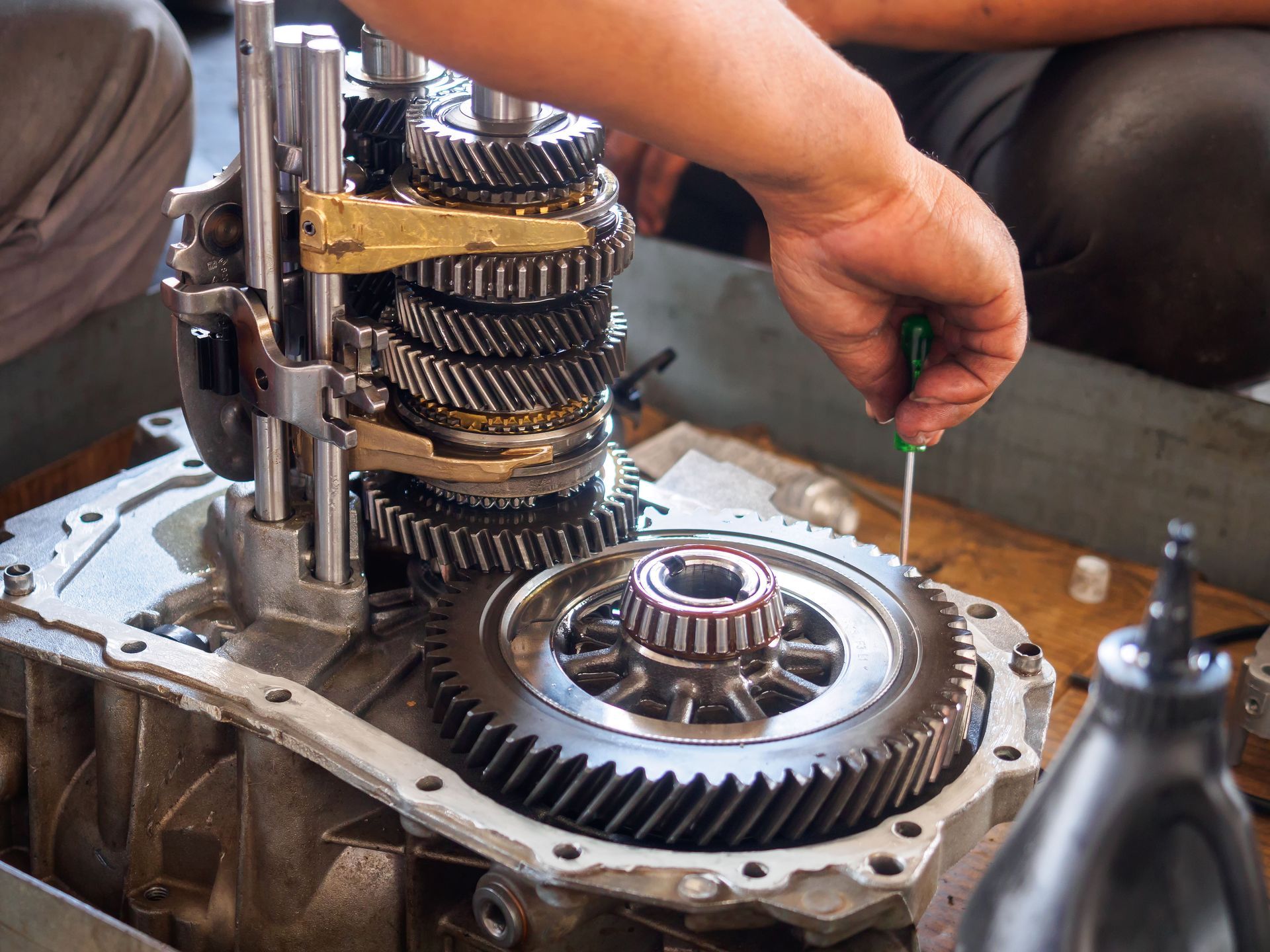
Manual transmissions operate differently because the driver controls gear selection and uses a clutch to disconnect the engine from the transmission during shifts. Important components can include gears, synchronizers, bearings, shift forks, shafts, and the clutch assembly. Wear or damage to any of these parts can interfere with smooth gear changes and vehicle operation.
Common manual transmission problems include grinding during shifts, difficulty selecting gears, slipping out of gear, unusual vibrations, and transmission fluid leaks. A clutch that feels spongy, sticks to the floor, or otherwise behaves differently can also indicate a problem that requires inspection. Effective transmission repairs begin with determining whether the source of the problem is within the transmission itself or a related component such as the clutch.
Comparing Diagnostic Considerations
Although both systems require careful diagnosis, technicians may approach them differently because of their distinct designs. Automatic transmission diagnostics can involve evaluating shifting behavior, fluid condition, torque converter operation, and other internal or external components. Computer diagnostics may also help identify issues associated with electronically controlled automatic transmission systems.
Manual transmission diagnostics generally place greater emphasis on mechanical operation, clutch engagement, gear condition, and the components responsible for selecting and synchronizing gears. In either case, a technician needs to consider the vehicle's symptoms, service history, and inspection results before recommending a repair. Proper diagnosis helps prevent unnecessary component replacement and provides a clearer understanding of the work required.
Comparing Common Repair and Rebuilding Needs
Addressing Automatic Transmission Problems
Automatic transmission repairs can range from relatively straightforward services to extensive internal work. A vehicle may need a transmission fluid change, a repair involving a leaking component, or service for a torque converter that is shuddering, slipping, or overheating. More serious internal damage may require the transmission to be rebuilt or replaced.
Rebuilding an automatic transmission involves disassembling the unit, inspecting its components, replacing worn or damaged parts, and reassembling it so the transmission can operate properly. Having this work performed in-house can provide a repair facility with greater control over the rebuilding process. It also allows technicians to work directly with the transmission rather than relying entirely on an outside rebuilding operation.
Addressing Manual Transmission Problems
Manual transmission repairs can involve several components that are unique to or particularly important within a clutch-operated system. Clutch repairs and replacements are common examples, but technicians may also address damaged synchronizers, worn bearings, shift forks, or other internal components. In some cases, a complete rebuild may be necessary to restore proper operation.
The symptoms a driver notices can provide useful information during the diagnostic process. Grinding during gear changes may point toward problems with synchronizers or other components, while difficulty staying in gear can indicate internal wear. A professional inspection helps determine whether the repair can focus on one component or whether multiple parts require attention.
Evaluating Repair Scope
The extent of necessary work is one of the most important considerations when comparing transmission repairs. A minor service may involve fluid replacement or a specific component, while significant internal damage can require the transmission to be removed and rebuilt. The appropriate repair depends on the condition of the transmission rather than simply whether the vehicle has an automatic or manual system.
Technicians may also inspect related components during the repair process. For an automatic transmission, this can include evaluating the torque converter and other associated parts. For a manual transmission, the clutch and shifting components may warrant closer examination. Addressing related issues during the repair can help prevent a newly serviced transmission from being affected by another worn component.
Preparing for Professional Transmission Service
Recognizing Symptoms Early
Drivers can play an important role in the repair process by paying attention to changes in vehicle behavior. Automatic transmission warning signs can include delayed or rough shifting, fluid leaks, unusual noises, burning odors, shaking, or slipping. Manual transmission warning signs may include grinding, difficulty shifting, a clutch pedal that feels abnormal, vibrations, or the vehicle slipping out of gear.
Seeking an inspection when these symptoms first appear may help identify problems before additional components become damaged. Ignoring a developing transmission issue can allow wear to progress and potentially increase the scope of the eventual repair. Professional transmission repairs should therefore begin with a timely evaluation rather than waiting until the vehicle becomes difficult or impossible to drive.
Understanding the Repair Process
A professional transmission service typically starts with an inspection and diagnostic evaluation. The technician can discuss the vehicle's symptoms, examine the transmission and related components, and determine what may be causing the problem. Depending on the findings, the recommended service could range from fluid maintenance to component replacement or a complete rebuild.
Clear communication is particularly important when a repair involves substantial internal work. A reputable repair facility should be able to explain what was found, what repairs are necessary, and what the expected scope of the work will be. Same-day estimates and free transmission check-ups can also make it easier for vehicle owners to understand their options before authorizing extensive service.
Considering Warranty and Workmanship
Warranty coverage can be another consideration when selecting a transmission repair facility. Because rebuilding a transmission can involve extensive labor and multiple components, a warranty provides specific terms concerning the repair work. Coverage varies by provider, so vehicle owners should review the duration, mileage limitations, and applicable conditions before proceeding.
Experienced technicians can also make a significant difference when a transmission requires service. A facility with extensive experience in both automatic and manual systems may be equipped to handle different repair scenarios, from clutch-related work to complete transmission rebuilds. In-house rebuilding capabilities can provide additional control over the repair process, while experienced technicians can use their knowledge of transmission components to diagnose and address problems efficiently.
Regardless of transmission type, early diagnosis and professional service can help identify problems before they become more extensive. Choosing a repair facility with experience in both types of transmissions, transparent estimates, qualified technicians, and warranty options can provide a practical starting point when transmission service is needed. With the right approach, transmission repairs can address current problems while helping restore smooth and dependable vehicle operation. Schedule a transmission inspection with Best Transmission and Auto Repair today to get the repairs your vehicle needs!