December 1, 2025
The transmission plays a central role in how your vehicle performs, responds, and safely transfers power to the wheels. When it operates properly, you can enjoy smooth acceleration, predictable handling, and dependable performance during daily driving. Yet many drivers overlook early warning signs that indicate trouble is starting to build beneath the surface. These signs can feel small at first, but they often grow into major issues that disrupt the driving experience and lead to costly repairs.
No one wants the stress of a breakdown or the expense that comes with letting problems go too long. This is why it is essential to understand what to look for and when to take action. When symptoms persist or your vehicle behaves unpredictably, it is time to consider scheduling transmission repair services before the damage spreads to more critical components. Knowing what qualifies as an early warning can help you make confident decisions that protect both your vehicle and your peace of mind.
1. Noticing Gear Slipping
One of the most alarming signs of a transmission problem is gear slipping. This occurs when the transmission changes gears unexpectedly or fails to remain in the proper gear while driving at a steady speed. You might notice the engine rev higher than expected or feel a sudden loss of power without changing your foot pressure on the accelerator. These moments can feel unsettling because the vehicle no longer responds in a predictable way.
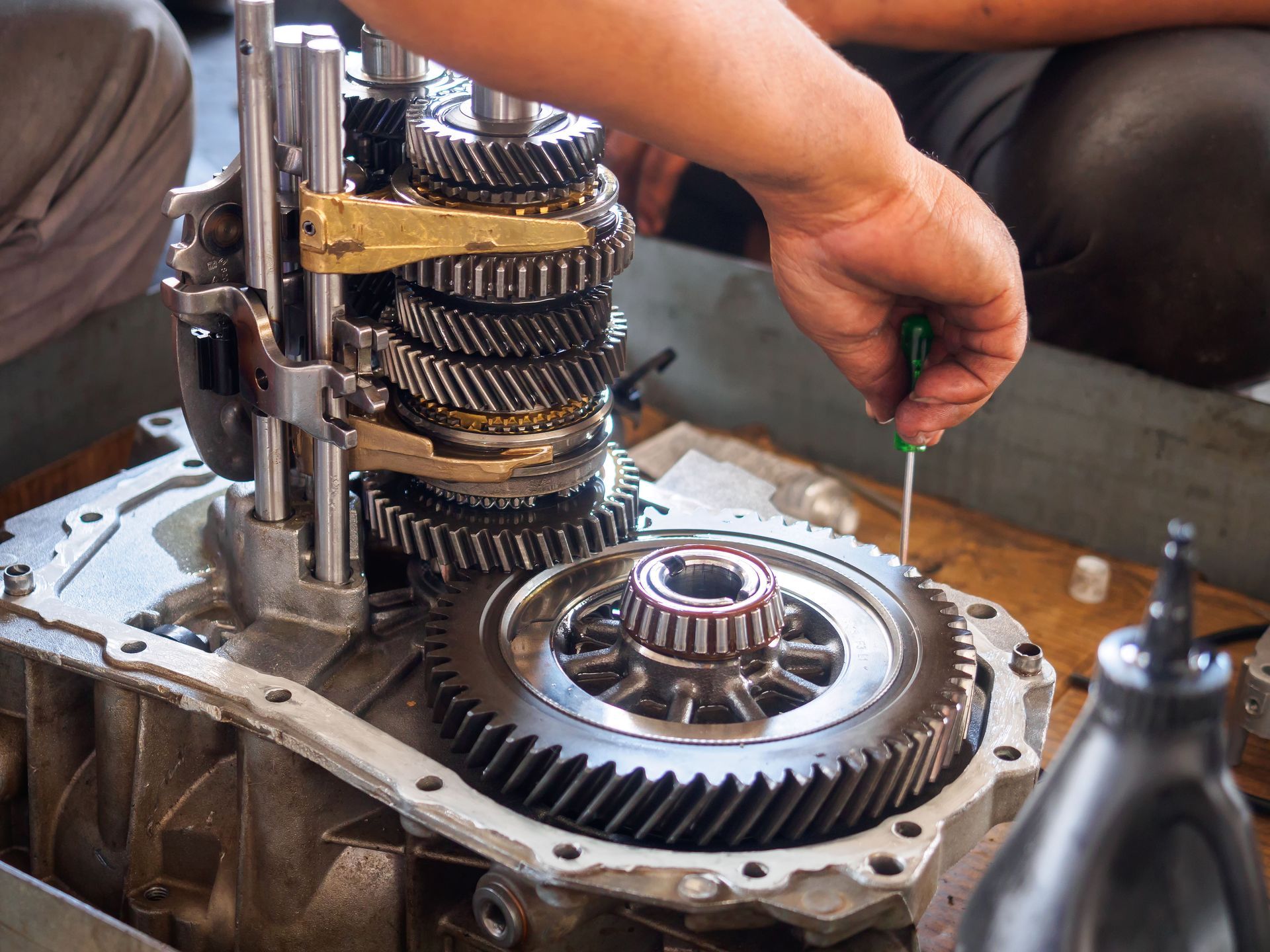
Gear slipping usually indicates that internal components are beginning to wear down or that hydraulic pressure inside the transmission is not being properly regulated. If left unaddressed, the issue can worsen quickly because the transmission depends on precise timing and strong internal engagement to function. Even a minor lapse in these areas can create strain on the system.
Drivers often assume the problem will correct itself, especially if slipping only happens occasionally. Unfortunately, slipping rarely resolves on its own. It tends to become more frequent and more noticeable over time, usually causing additional strain on the engine. The smartest move is to pay attention to these early signs and schedule an inspection promptly through a trusted provider of transmission repair services.
2. Identifying Shifting Delays
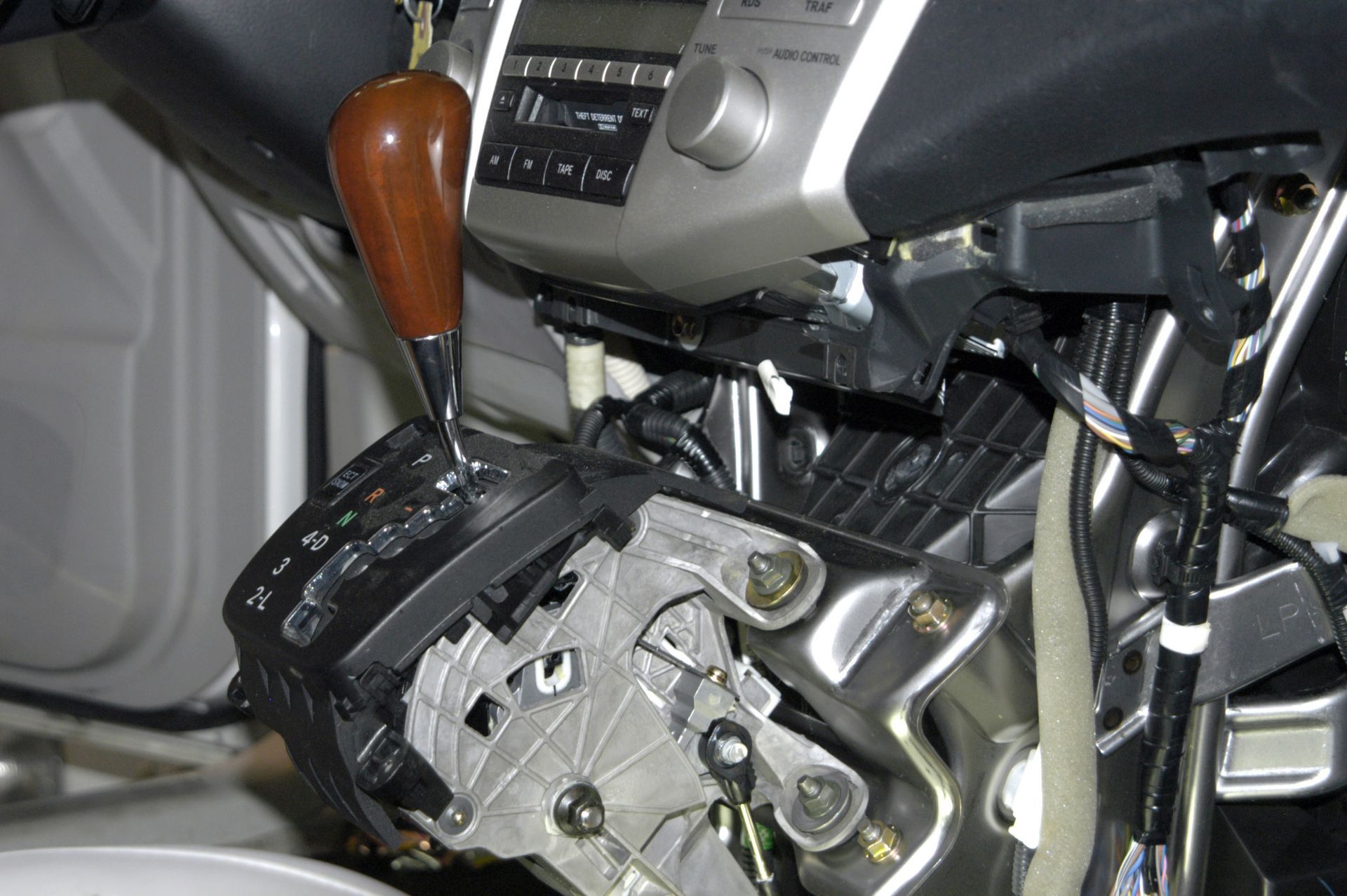
Another common indication of transmission trouble is a delay when shifting into gear. This can happen when moving from park into drive or reverse, or while the transmission shifts between gears on the road. A slight delay can easily go unnoticed, but a delay that consistently takes a second or two suggests that something inside the system is struggling. The result is a response that feels sluggish and out of rhythm with the vehicle’s usual performance.
Shifting delays often develop when fluid levels are low or when the fluid has become old and contaminated. Clean transmission fluid allows internal components to move smoothly and supports proper hydraulic pressure. When the fluid is degraded, the system cannot engage efficiently. According to AAA Club Alliance, drivers should schedule a transmission fluid change every 30,000 to 60,000 miles of driving, which helps prevent internal wear and keeps shifting smooth.
If you attempt to accelerate while the transmission is still hesitating, you may feel a jolt when it finally shifts into place. Over time, these delays place unnecessary stress on the clutch packs, gears, and internal seals. The longer the problem continues, the more likely it becomes that internal parts will suffer damage that requires more extensive repairs.
Shifting delays should be evaluated quickly to prevent the issue from spreading. When delays are consistent, your vehicle may need transmission repair services to restore proper function and prevent more severe damage.
3. Noticing Strange Noises
The transmission is designed to function quietly. This is why unusual noises often become very noticeable when something inside the system begins to fail. Grinding, whining, or humming can signal a variety of issues. Some noises may be caused by low transmission fluid, while others may indicate worn bearings, damaged gears, or friction between components that should glide smoothly.
Drivers sometimes mistake these noises for engine trouble or simply assume the sounds are part of normal wear. While vehicles age and parts experience natural wear, the transmission should never create loud or persistent noises. Even soft sounds that come and go can point to an internal issue developing behind the scenes.
The type of noise you hear can provide clues about the source of the problem. A whining sound can relate to poor fluid circulation. A grinding sound can indicate metal parts rubbing together. A humming sound that grows louder during acceleration can point to problems with torque converter components. Regardless of the noise, the safest approach is to have a technician inspect your transmission before the issue becomes worse.
If drivers continue to operate the vehicle despite the noise, the internal strain can lead to severe damage that becomes much more expensive to repair. In these cases, acting early by scheduling transmission repair services can preserve the integrity of the system.
4. Detecting Leaks or Burning Smells
One of the clearest warning signs of a transmission issue is fluid leaking beneath the vehicle. Transmission fluid is typically bright red or pink when new and becomes darker as it ages. Any puddle or drip beneath your vehicle deserves immediate attention, since a loss of fluid can cause rapid internal damage. Without enough fluid, the transmission cannot cool, lubricate, or maintain proper pressure.
Burning smells are also concerning. They often develop when the transmission overheats or when fluid has become so old that it no longer provides adequate protection. Overheated fluid can break down quickly, leading to increased friction and accelerated wear on internal components. The odor is usually sharp and noticeable, especially after driving long distances or up steep inclines.
Some drivers mistakenly assume that small leaks or occasional odors are harmless. However, even minor leaks can lead to major damage if ignored. A transmission that runs with low fluid becomes vulnerable to overheating, and an overheated transmission can fail without warning. This makes early detection crucial for maintaining the longevity of your vehicle.
When you spot leaks or notice burning smells, schedule an inspection to determine the cause. Technicians who specialize in transmission repair services can identify the source of the leak, evaluate the condition of the fluid, and address any internal damage before it becomes severe.
Your transmission is one of the most important components in your vehicle. By understanding the warning signs that indicate trouble, you can react early and avoid unexpected breakdowns or high repair bills. Issues like slipping gears, shifting delays, strange noises, and fluid leaks are all indicators that your vehicle needs attention. Ignoring these clues can lead to major damage, while taking action early can help preserve performance and safety.
Routine maintenance and timely inspections are key to extending the lifespan of your transmission. When any of the signs mentioned above appear consistently, your vehicle is telling you that it is time for professional help. Investing in transmission repair services at the right moment can prevent costly failures and keep your vehicle driving smoothly for years.
Driving with confidence begins with recognizing problems early and responding quickly. With the right care, you can maintain a dependable vehicle that supports your daily routine without unexpected interruptions.
Keep your vehicle running smoothly by working with the team at Best Transmission and Auto Repair for dependable transmission repair services.